This article explains the differences between galvanized, Galvalume, and ZAM-coated steel roofing, emphasizing how each performs under Florida’s coastal conditions where salt, humidity, and corrosion risk are major concerns. It highlights why ZAM (used in Armored Coast™ systems offers superior cut-edge and long-term corrosion protection, helping contractors choose the right substrate to protect both performance and their reputation.
- If You’re Roofing Near the Water, This Decision Matters More Than You Think
- The Cost of Choosing the Wrong Substrate
- Let’s Start With Galvanized Steel
- Why Galvalume Became the Industry Standard
- What Makes ZAM Different?
- Comparison Table: Galvanized vs. Galvalume vs. ZAM
- Why More Contractors Are Asking About Armored Coast™
- Get The Answers You Need
- The Real Question Isn’t Which Coating Is Best
- Built for Florida Weather. Delivered Fast.
- Which Option Should You Choose?
- Ready to Compare Galvanized, Galvalume, and Armored Coast?
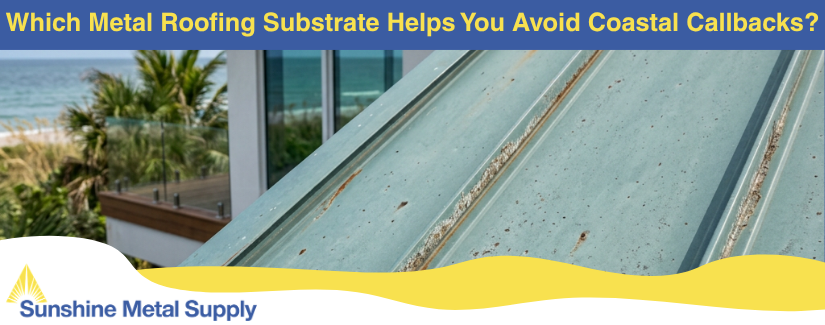
If You’re Roofing Near the Water, This Decision Matters More Than You Think
A contractor walked into our Sarasota location not long ago while pricing a standing seam roof for a waterfront home.
The homeowner had one concern.
Rust.
Not color.
Not profile.
Not price.
Rust.
A nearby property had already experienced corrosion issues, and the homeowner wanted to know why their new roof would be different.
If you’ve been roofing in Sarasota, Bradenton, Venice, Naples, Punta Gorda, or anywhere along Florida’s Gulf Coast, you’ve probably had the same conversation.
Your customer isn’t buying metal panels.
They’re buying confidence.
They’re buying the belief that the roof you install today won’t become a callback five years from now.
That’s why understanding the difference between galvanized steel, Galvalume steel, and ZAM coated steel matters.
Your reputation depends on this roof.
When a homeowner calls about rust, they don’t remember what coating was on the panel.
They remember who installed it.
That’s why we wanted to put together a straightforward guide that explains Galvanized vs Galvalume vs ZAM in plain language, using real coating science and real world Florida applications.
The Cost of Choosing the Wrong Substrate
Most contractors don’t lose money on labor.
They lose money on callbacks.
One trip back to inspect a corrosion complaint can wipe out the profit from a small job.
One unhappy homeowner can impact future referrals.
One warranty conversation can consume hours that should have been spent selling the next project.
That’s why the substrate matters.
Not because it sounds impressive in a proposal.
Because it can help protect your reputation years after the installation is complete.
If you’re bidding coastal reroofs in Sarasota zip codes 34231, 34232, 34233, 34236, 34237, 34238, 34239, 34240, 34241, 34242, Bradenton zip codes 34201, 34202, 34203, 34205, 34208, 34209, 34210, 34211, Venice zip codes 34285, 34292, 34293, or Naples zip codes 34102, 34103, 34105, 34108, and 34109, you’re working in an environment that demands more from roofing materials.
Florida weather doesn’t care what the sales brochure says.
Salt air, humidity, UV exposure, and storms will expose weaknesses eventually.
The question is whether those weaknesses show up on your customer’s roof.
Let’s Start With Galvanized Steel
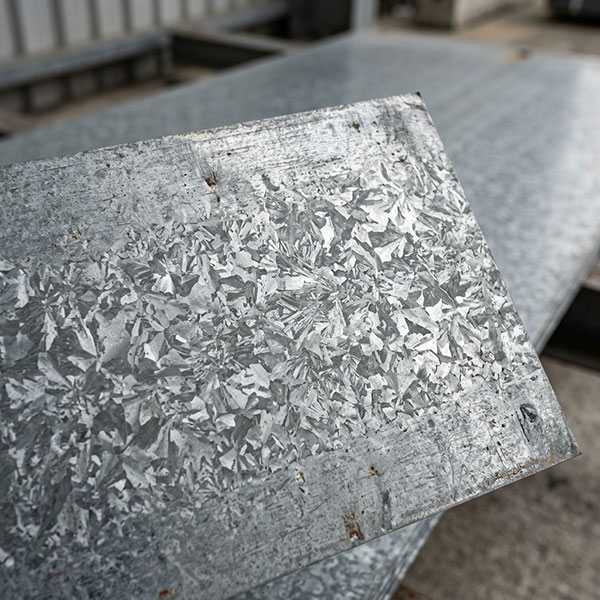
Galvanized steel is traditional steel coated with zinc.
For decades it has been used successfully across countless construction applications.
The zinc coating sacrifices itself before the steel underneath begins to corrode.
That’s the basic idea.
For some inland applications, galvanized steel can still make sense.
But if you’re roofing close to the Gulf, most contractors already know the challenge.
Salt accelerates corrosion.
Areas around cut edges, penetrations, and exposed steel become increasingly important over time.
The closer the project gets to the coast, the more carefully you need to evaluate your options.
Why Galvalume Became the Industry Standard
If you’ve installed metal roofing for any length of time, you’ve probably worked with Galvalume.
There’s a reason.
Galvalume combines approximately 55 percent aluminum, 43.4 percent zinc, and 1.6 percent silicon.
That aluminum component helps improve corrosion resistance compared to traditional galvanized steel.
That’s why Galvalume roofing panels Florida contractors install have become a common choice for both exposed fastener and standing seam systems.
For many residential and commercial projects, Galvalume continues to perform extremely well.
It has earned its reputation.
But for contractors working on waterfront homes, coastal commercial properties, and high exposure projects, another option has started getting more attention.
That’s ZAM.
What Makes ZAM Different?
ZAM is a Zinc Aluminum Magnesium coating technology developed by Nippon Steel.
The coating contains:
• Zinc
• 6 percent aluminum
• 3 percent magnesium
That magnesium component is what makes contractors stop and pay attention.
When exposed to moisture, the coating creates a protective layer that helps shield cut edges and exposed areas.
Why does that matter?
Because every roofing contractor cuts metal.
Every flashing gets modified.
Every panel gets trimmed.
Every accessory eventually creates an exposed edge somewhere.
Traditional coatings can leave those locations vulnerable over time.
ZAM was engineered specifically to improve protection in those areas.
That’s one reason many contractors evaluating Galvanized vs Galvalume vs ZAM are paying close attention to Zinc Aluminum Magnesium technology.
Comparison Table: Galvanized vs. Galvalume vs. ZAM
|
Feature |
Galvanized |
Galvalume |
ZAM |
|---|---|---|---|
|
Coating Type |
Zinc |
Aluminum Zinc Alloy |
Zinc Aluminum Magnesium |
|
Coastal Corrosion Resistance |
Good |
Better |
Excellent |
|
Cut Edge Protection |
Limited |
Moderate |
Superior |
|
Salt Exposure Performance |
Moderate |
Strong |
Exceptional |
|
Residential Roofing Applications |
Common |
Very Common |
Growing |
|
Coastal Roofing Applications |
Limited |
Strong |
Preferred |
|
Long Term Corrosion Protection |
Good |
Better |
Excellent |
Why More Contractors Are Asking About Armored Coast™
We’ve noticed a pattern.
Contractors working coastal projects are looking for ways to separate themselves from competitors.
Homeowners are asking better questions.
They’ve seen rust.
They’ve heard stories.
They’ve researched corrosion online.
They want answers.
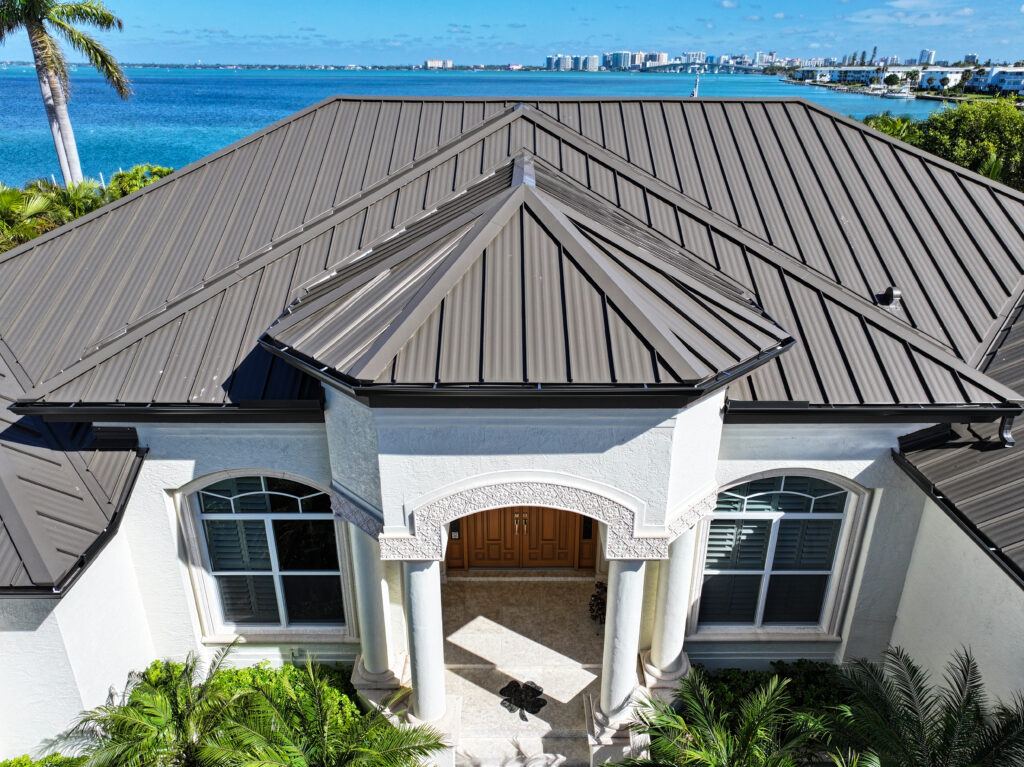
That’s where Armored Coast comes in.
Armored Coast uses ZAM coating technology specifically designed for environments where corrosion resistance matters.
More importantly, it gives you a credible story to tell homeowners who are worried about long term performance.
You’re not simply saying the roof will last.
You’re explaining why.
That distinction matters.
Trust is built through explanations.
Not promises.
Get The Answers You Need
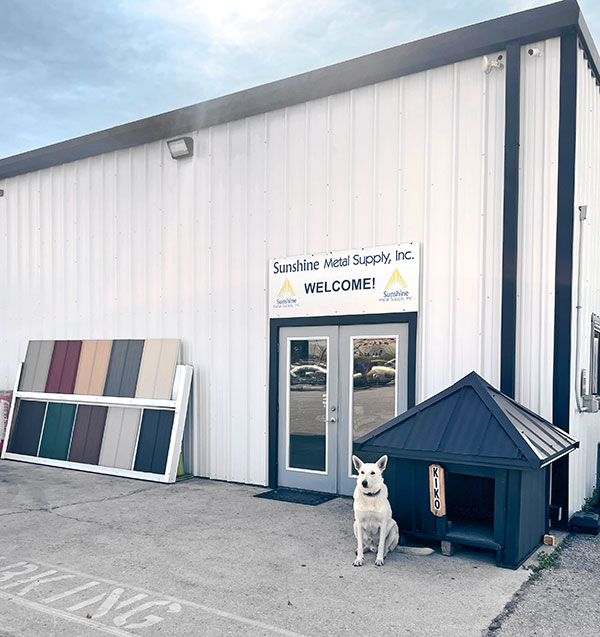
If you’re quoting a coastal reroof right now, stop by Sunshine Metal Supply and ask for an Armored Coast comparison.
We’ll walk through coating specifications, available profiles, lead times, and warranty information so you can confidently explain the differences to your customer.
No sales pitch.
Just straight answers that help you win the job.
The Real Question Isn’t Which Coating Is Best
The real question is:
Which coating is right for your customer?
A home three miles inland may have different requirements than a waterfront property exposed to salt spray every day.
A commercial building may have different priorities than a custom home.
The goal isn’t to sell the most expensive material.
The goal is to help your customer make the right decision and protect your reputation in the process.
That’s the conversation we have every day at our Sarasota facility.
Sometimes Galvalume is the right answer.
Sometimes Armored Coast makes more sense.
The important thing is making that decision based on facts instead of assumptions.
Built for Florida Weather. Delivered Fast.
If you’ve been burned by delayed shipments, confusing specifications, or suppliers who couldn’t answer basic coating questions, you’re not alone.
We hear those stories every week.
That’s why we focus on helping contractors get accurate information, reliable material, and fast turnaround times.
You already have enough challenges managing crews, weather delays, inspections, and customer expectations.
The last thing you need is uncertainty about the material showing up on the job site.
That’s why our approach stays simple.
Provide straight answers.
Provide material built for Florida weather.
Provide delivery that helps keep projects moving.
Made to Last. Delivered Fast.
Which Option Should You Choose?
If corrosion resistance is not a major concern and the project is further inland, galvanized steel may still be a viable option.
If you’re looking for a proven roofing substrate that performs well across a wide range of applications, Galvalume remains an excellent choice.
If you’re bidding for a coastal project where long term corrosion resistance is a priority, ZAM deserves serious consideration.
That’s why so many conversations about Galvanized vs Galvalume vs ZAM eventually come back to one thing.
Protecting your customer’s investment.
Protecting your reputation.
Helping ensure the roof you install today won’t let you down years from now.
Ready to Compare Galvanized, Galvalume, and Armored Coast?
If you’re working on a coastal project in Sarasota, Bradenton, Venice, North Port, Punta Gorda, Naples, Lakewood Ranch, or the surrounding Gulf Coast communities, give our team a call.
Need a custom flashing package tomorrow? Need standing seam panels delivered to the jobsite this week? That’s the type of problem we help solve every day.
Your reputation depends on this roof.
Let’s make sure you have the information you need to get it right.